

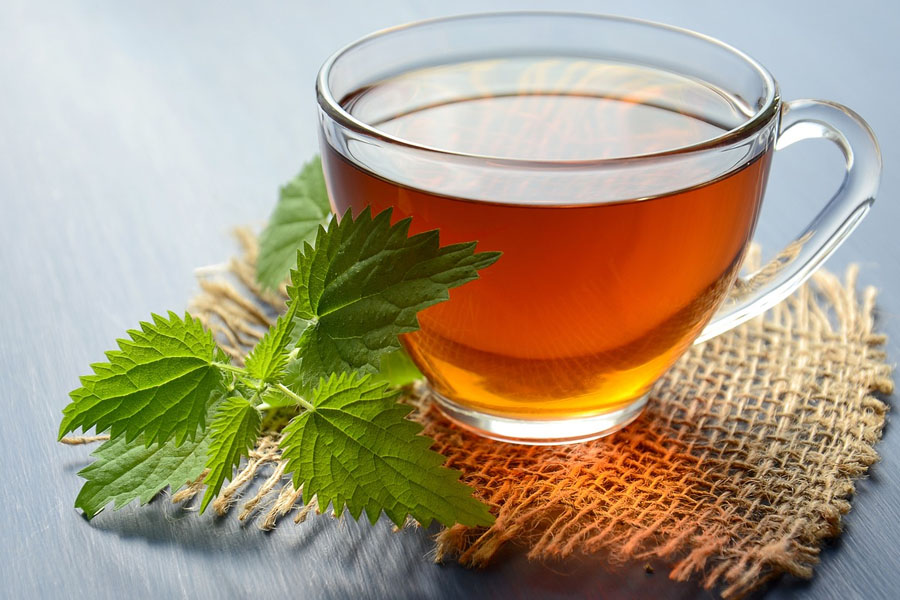
Herbal teas represent a millennia-old tradition of healing and well-being, so much so that they have been used in many cultures to improve health and alleviate various ailments.
In this article, we will explore different herbs and their medicinal properties, providing you with a comprehensive guide on how to prepare rejuvenating and beneficial herbal teas.
You will discover that, aside from being delicious, herbal teas can be a valuable ally for your well-being.
Chamomile: Natural Calmative
Let’s start with the undisputed queen, chamomile. Known for its calming properties, it is ideal for relaxing after a hectic day.
This herb is particularly suitable to counter insomnia and alleviate stress. Preparing a cup of chamomile tea before bedtime can promote restful and tranquil sleep.
Peppermint: Freshness and Lightness
Peppermint is another extraordinary herb that offers benefits to both the palate and the body.
Its freshness is a boon for the digestive system, helping to reduce bloating and stomach discomfort.
A cup after meals promotes digestion and leaves a pleasant feeling of lightness.
Fennel: Digestive Ally
Fennel is known for its digestive properties and unique taste.
Adding this herb to your hot beverages can help alleviate gastrointestinal issues such as abdominal bloating.
Fennel is also rich in antioxidants, which support overall health.
Lemon Balm: Natural Stress Reliever
Lemon balm, or citronella herb, is a powerful natural stress reliever.
Its ability to reduce anxiety, promoting calmness, makes it a valuable ingredient for relaxing the mind and body.
A cup of lemon balm tea can be the perfect solution to combat daily stress.
Rooibos: Antioxidant and Delightful
Rooibos is a South African plant that offers a caffeine-free tea, rich in antioxidants and with a enveloping flavor.
Its anti-inflammatory properties make it an ideal option for those seeking a healthy alternative to traditional tea.
A rooibos drink can be enjoyed on its own or enhanced with honey and lemon for an even more delicious beverage.
Artichoke: Natural Detoxifier
Artichoke is known for its detoxifying properties, helping to purify the body from accumulated toxins.
Adding artichoke to herbal teas can help support liver and digestive function. This herb is perfect for those looking for a natural way to cleanse the body and promote overall well-being.
Cinnamon: Warmth and Anti-inflammatory Properties
Cinnamon is not only a delicious spice but also a precious ingredient for herbal teas.
With its anti-inflammatory properties, cinnamon can help reduce inflammation in the body. Additionally, its warm and enveloping flavor makes cinnamon-based drinks perfect for cold days.
Ginseng: Natural Energy Booster
In addition to the herbs already mentioned, ginseng deserves a place of honor in our guide to herbal teas.
This root, widely used in traditional Chinese medicine, is known for its energizing properties.
Adding ginseng to your morning teas can help fight fatigue and increase physical endurance.
Its ability to improve concentration makes it an ideal option for those who want to start the day with energy and vitality.
Eucalyptus: Ideal for Respiratory Health
If you are looking for a beverage that helps clear the respiratory passages, eucalyptus is the answer.
Its leaves contain essential oils that can contribute to soothing the throat and relieving nasal congestion.
Eucalyptus tea is particularly beneficial during cold or flu seasons, offering a natural relief for respiratory symptoms.
Juniper: Body Detoxification
Juniper is known for its detoxifying properties, useful for eliminating accumulated toxins in the body.
Adding juniper to herbal teas can contribute to improving kidney function and promoting diuresis.
This herb is a valuable ally for those following detox programs or wanting to keep their body clean and healthy.
Hibiscus: Colorful and Rich in Antioxidants
For a colorful and antioxidant-rich herbal tea, hibiscus is the perfect choice.
Hibiscus flowers give the beverage a vibrant red color and offer heart-healthy benefits due to the presence of flavonoids.
Guide to Using Herbs in Teas: Conclusions
As we have seen, each herb carries a specific benefit, depending on individual needs.
It is also worth noting that it is possible to create customized blends to obtain a herbal tea that encapsulates everything we need.


